Sit Down. We Need to Talk About Your Scalar Functions.
24 Comments
 Thanks for coming today. I apologize for baiting you in here with a picture of toilet paper. That’s not even in the US – that’s from my Iceland trip, before I flew back here to the US. Look, we all make mistakes. That’s not the point of this post.
You see, I’ve been reading this KB article about bugs in scalar function inlining. SQL Server 2019 tries to inline your functions using a technology they called Froid, but ever since Froid came out, it’s had one bug after another.
And I don’t think it’s Microsoft’s fault.
I think it’s your fault.
Because reading this KB article, I’m increasingly convinced that y’all are completely insane. You’re doing things with functions that I can’t even comprehend doing once, let alone doing so often that you feel the need to encapsulate the logic in a function and use it over and over again. Microsoft’s having to deal with functions that shouldn’t have ever passed a code review, let alone gone into production.
Here, you read it – and instead of reading it as a bug list, read it as a Microsoft support person who’s hearing a customer complain about inaccurate function results when their function has ___ in it:
This cumulative update includes several fixes across the following areas for scenarios in which a query that uses Scalar UDF Inlining may return an error or unexpected results:
- Type mismatch error if the return type of the UDF is sql_variant (added in Microsoft SQL Server 2019 CU2)
- UDFs referencing labels without an associated GOTO command return incorrect results (added in Microsoft SQL Server 2019 CU2)
- Uninitialized variables used in condition (IF-ELSE) statements cause errors (added in Microsoft SQL Server 2019 CU2)
This cumulative update also blocks Inlining in the following scenarios:
- If the UDF references certain intrinsic functions (e.g. @@ROWCOUNT) that may alter the results when inlined (added in Microsoft SQL Server 2019 CU2)
- Aggregate functions being passed as parameters to a scalar UDF (added in Microsoft SQL Server 2019 CU2)
- If the UDF references built-in views (for example: OBJECT_ID) (added in Microsoft SQL Server 2019 CU2)
- If the UDF uses XML methods (added in Microsoft SQL Server 2019 CU4)
- If the UDF contains a SELECT with ORDER BY without a “TOP 1” (added in Microsoft SQL Server 2019 CU4)
- If the SELECT query performs an assignment in conjunction with the ORDER BY clause (e.g. SELECT @x = @x +1 FROM table ORDER BY column_name) (added in Microsoft SQL Server 2019 CU4)
- If the UDF contains multiple RETURN statements (added in Microsoft SQL Server 2019 CU5)
When writing functions like that, your scientists were so preoccupied with whether they could that they didn’t stop to think if they should.
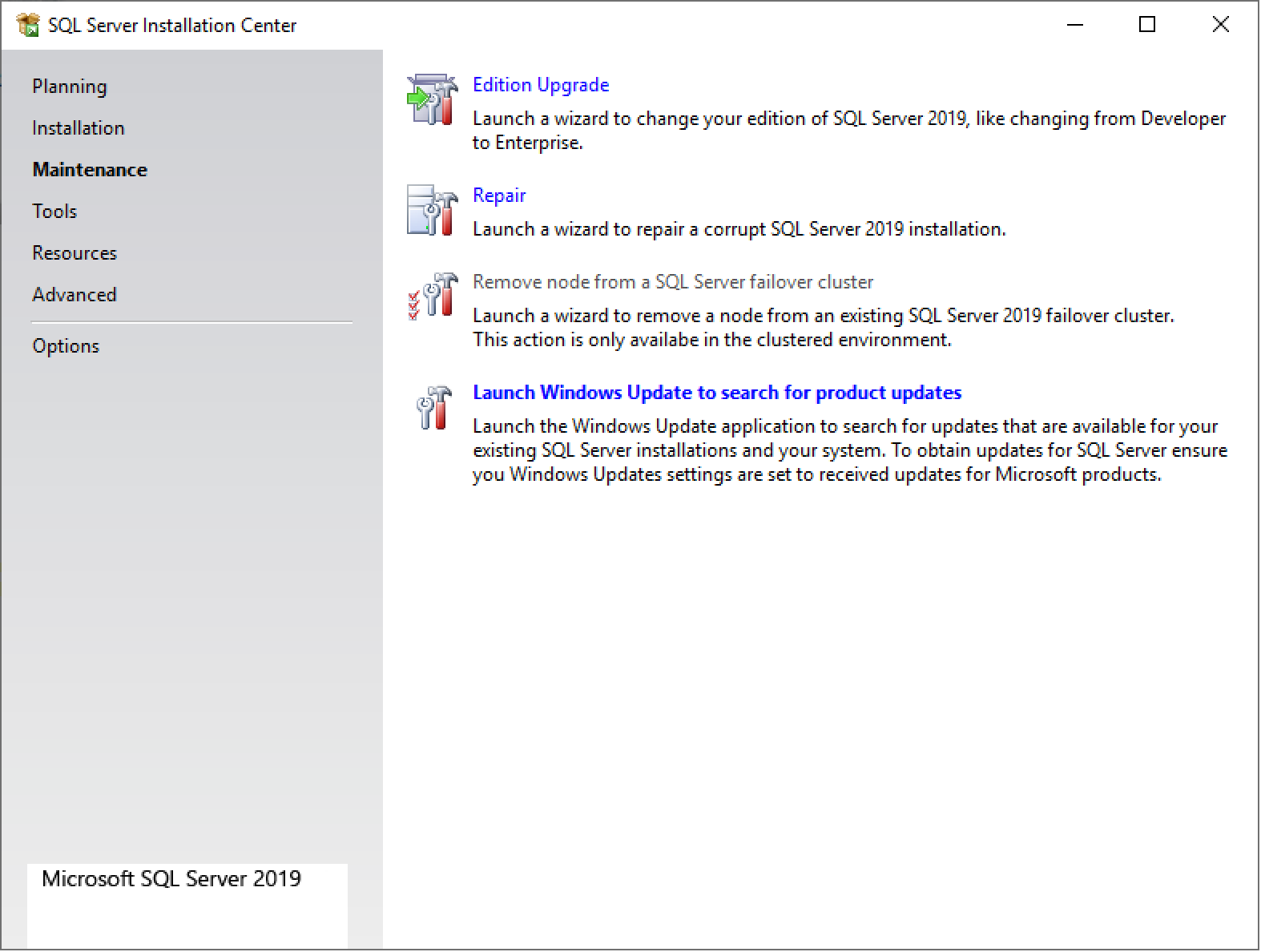
If you have scalar functions with anything but a SELECT in it, you should probably stop holding out hope that SQL Server 2019 is going to save you, and start rolling up your sleeves to rewrite those functions. By the time CU9 comes out, I’m kinda expecting scalar function inlining to be disabled altogether, and for Joe Sack to have thrown himself off a cliff in despair, having seen so many of your terrible functions.

 When I started writing the query gradually, layering on one CTE at a time, the first several 7 were no big deal. The query compilation time was noticeable for 8, but that 9th CTE, hoowee. You should see it yourself.














 Each scene has a button, but it’s actually a multi-action button: a single button configured to perform several actions in a row. For example, when I switch to my Live 1 scene (the VM or RDP window), it:


 In a perfect world, you would only update statistics in cases where query plans would benefit from fresh statistics.